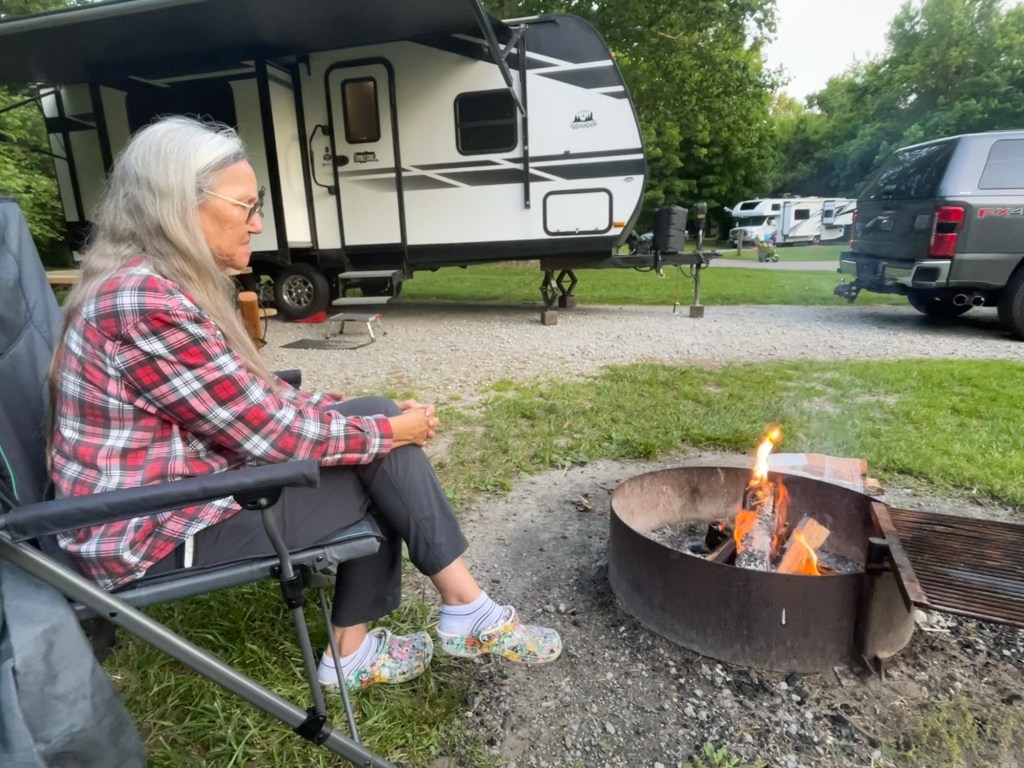
Travel Day
While making the trek from Silver Springs Campground in Stow, Ohio, to Potato Creek State Park in north central Indiana, our tire pressure monitoring system’s alarm started blaring like a baby wanting a bottle. One of the trailer tires was deflating faster than I could shout, “Oh $@&t!”
I pulled into the first parking lot I saw, which, as luck would have it, belonged to a shopping complex. And guess what was right in front? Discount Tire! The service manager assured us they could fix the tire in about an hour. No problem—we weren’t exactly going anywhere anyway. Plus, we’d been on the road all morning without stopping for lunch.
Wouldn’t you know it—there was a Culver’s right next door! To top it off, just 200 feet away was an Aldi grocery store. Lunch and grocery shopping while the tire got fixed? Fate, it seems, was on our side.
By the time we finished, Discount Tire had fixed the tire. And the best part? They didn’t charge us for the repair. It turned out to be a cracked valve stem—again. That’s the second time on this trip, though not the same tire.
I guess you could say we were lucky to have our little misadventure near civilization and not fifty miles into the boonies like we were an hour earlier. All in all, what could have been a tire catastrophe turned into a delightful detour.
Potato Creek Campground
Potato Creek State Park is a 3,840-acre park located in north-central Indiana, open year-round. Just 12 miles south of South Bend, Indiana, this remote park is conveniently close to civilization. The park offers a diverse habitat for abundant wildlife and a variety of activities, including a swimming beach at the 327-acre Worster Lake, boat rentals, a boat launch, backcountry horse trails, a camp store, bicycle rentals, a paved bike trail, mountain bike trails, hiking nature trails, camping, cabin rentals, educational programs, and much more. In the winter, you can enjoy cross-country skiing, ice fishing, and tubing down Tube Hill.
The campground has 287 spacious sites with water and electric hookups. The freshly mowed grounds were clean and well-maintained. This is a popular campground, and we were happy to secure a site for the next five nights. We looked forward to getting the bikes out and riding all around the park.
After we arrived and set up, we were surprised to see Chuck and Cassie pull up. We met them back at Big Bone Lick State Park in Kentucky, where they were part of the helpful folks who came to our rescue when our camper’s A-frame broke. We had told them we were scheduled to arrive here today, and since they live nearby, they came to check on us. They were curious if we made it back on the road and wanted to see the repair that was done. We sat around and chatted for a couple of hours. They gave us all the tips on the best places to see in the area and recommended their favorite restaurants. It was nice to have them check on us. One lesson we’ve learned on the road is that there are friendly people everywhere you go.
Indiana Dunes National Park

About an hour’s drive from Potato Creek State Park is a national park we had not yet visited. So, we set out one morning to make a day trip to Indiana Dunes National Park. Of course, we started at the visitor center so we could talk with a ranger at the information counter. Even though we research the parks and have a basic plan before we arrive, we always get some helpful information from the rangers.
From the visitor center, we drove to the Century of Progress Historic District, a unique and historically significant area located along Lake Michigan. This district is renowned for its collection of homes originally constructed for the 1933-1934 Chicago World’s Fair, also known as the Century of Progress Exposition. These homes were designed to showcase modern architectural designs, innovative building materials, and cutting-edge home technologies of the era. After the fair, the houses were relocated to their current site, near the Indiana Dunes National Park.
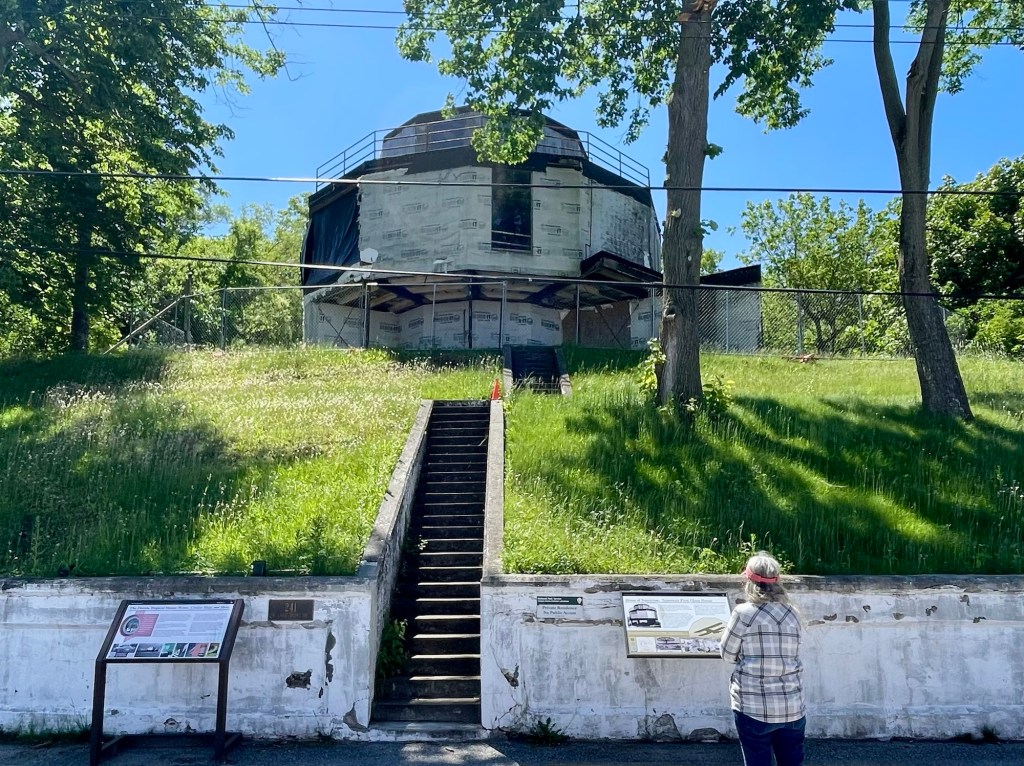
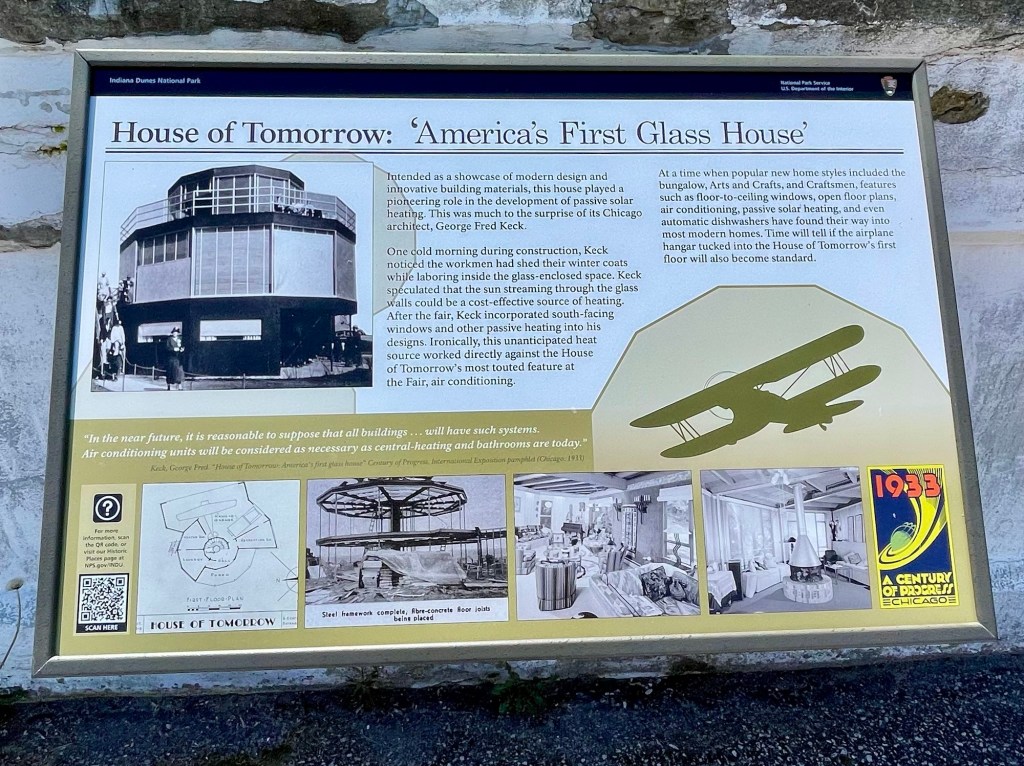
America’ First Glass House
Near the historic homes is access to Dunbar Beach on Lake Michigan. We took off our shoes and walked along the water’s edge, making sure to wade in just deep enough to say we got in the cold waters of Lake Michigan.

Dunbar Beach
Next, we drove to Mount Baldy, a prominent sand dune standing approximately 126 feet tall. It is one of the tallest dunes located within the Indiana Dunes National Park. It is known as a “living dune” because it moves, shifting an average of four feet per year due to wind erosion and deposition. The area around Mount Baldy offers hiking, though access to the dune itself is restricted to protect the dune’s environment. We hiked the trail from the parking lot around the dune where we saw swimmers and sunbathers enjoying the beach located between the dune and Lake Michigan. Having already felt how cold the water is, we were not interested in joining them.
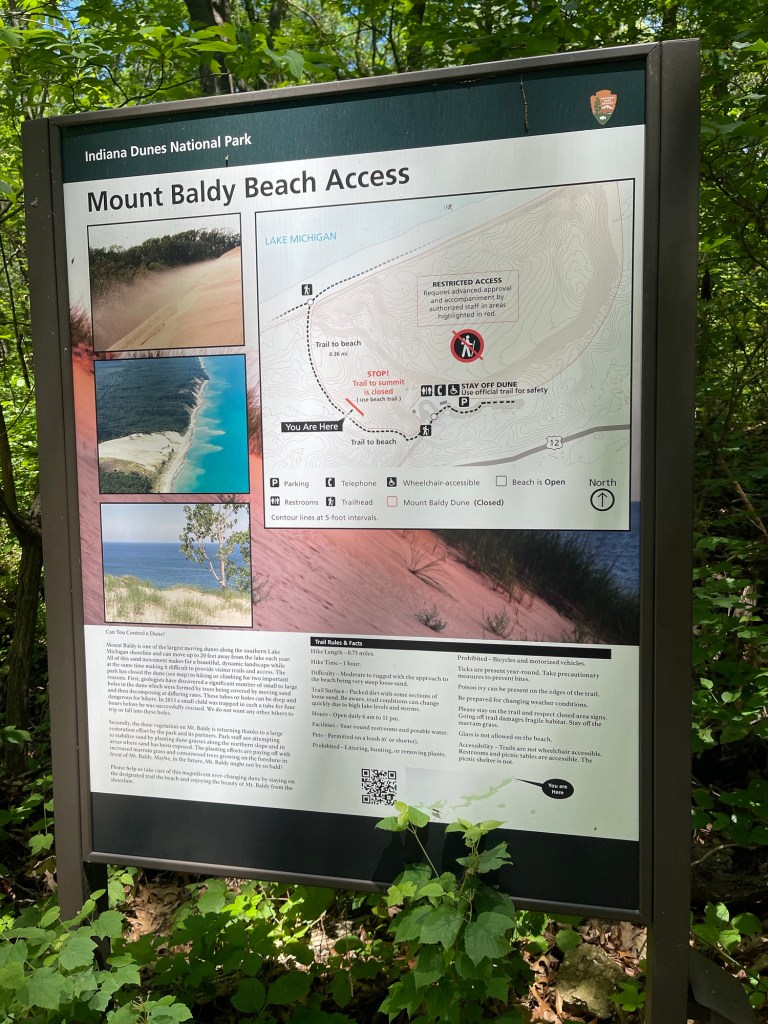

Beach Between Lake Michigan and Mount Baldy
Indiana Dunes’ diverse environment with Lake Michigan shoreline, marshland, and hardwood forest attracts hundreds of species of resident and migratory birds, making it a mecca for birding. After we left Mount Baldy, we drove south through the marsh, observing many of the birds that live in the marsh, including egrets, hawks, cardinals, and red-winged blackbirds, to name a few.
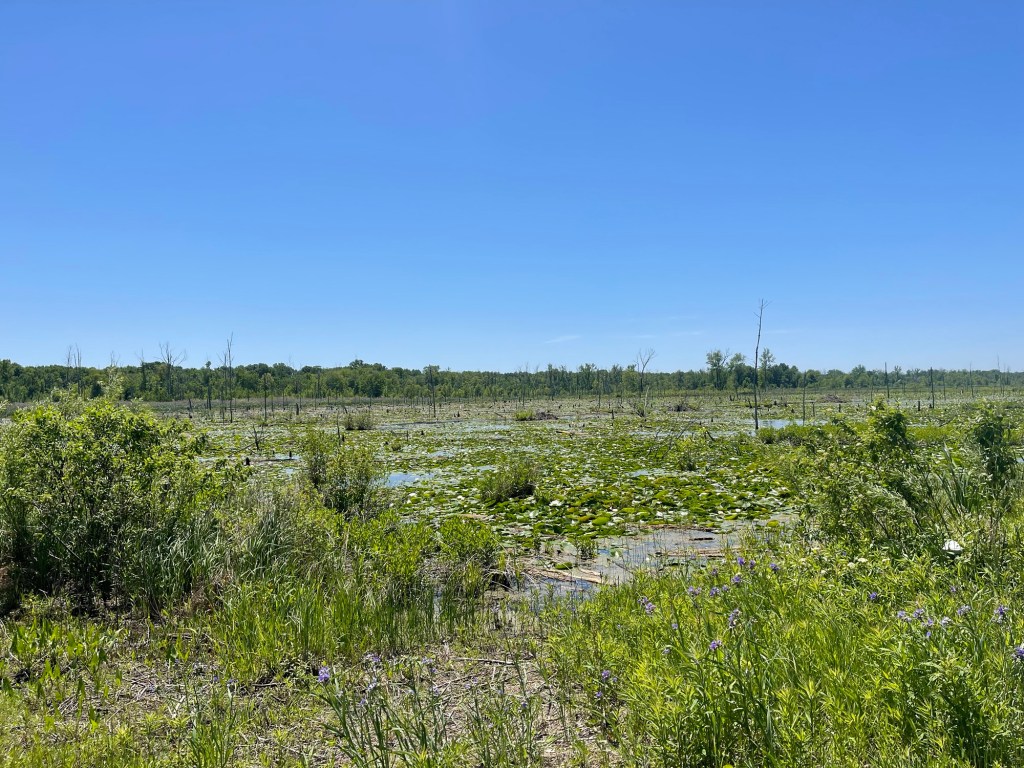
The March
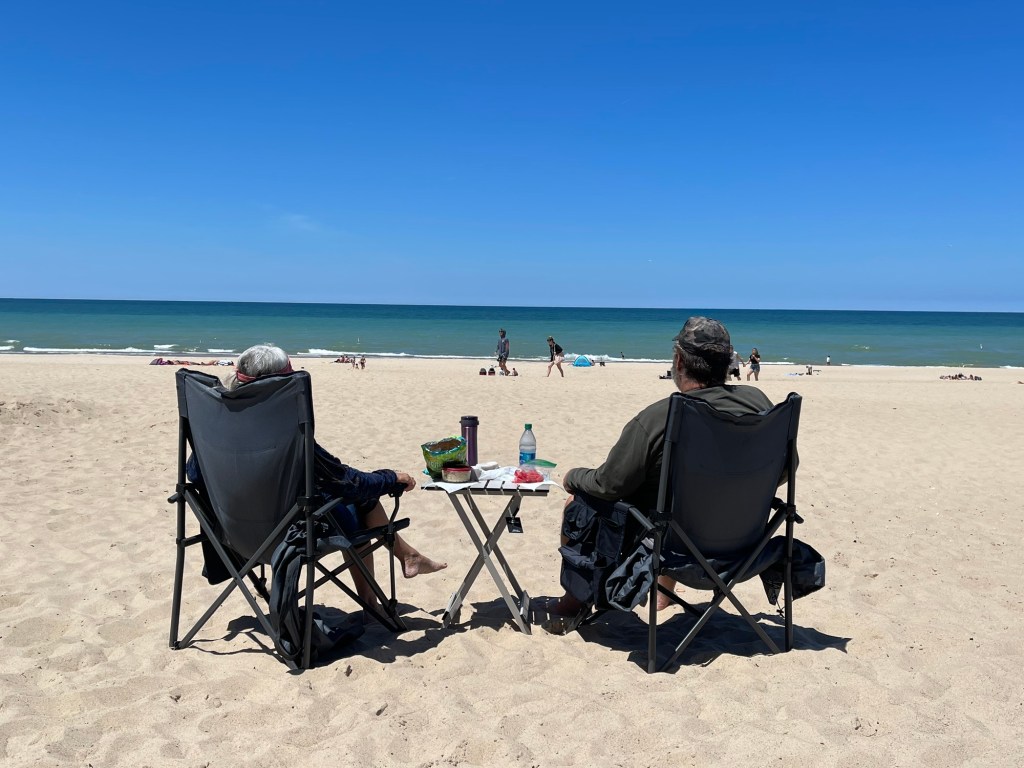
Lying within Indiana Dunes National Park is the Indiana Dunes State Park. The state park has one of, if not the best beach along Lake Michigan’s southeastern shore. Grammi and I went there to have a picnic on the beach. Though Indiana Dunes National Park doesn’t charge an entrance fee, the state park does—$7.00 for state residents and $8.00 for the rest of us.
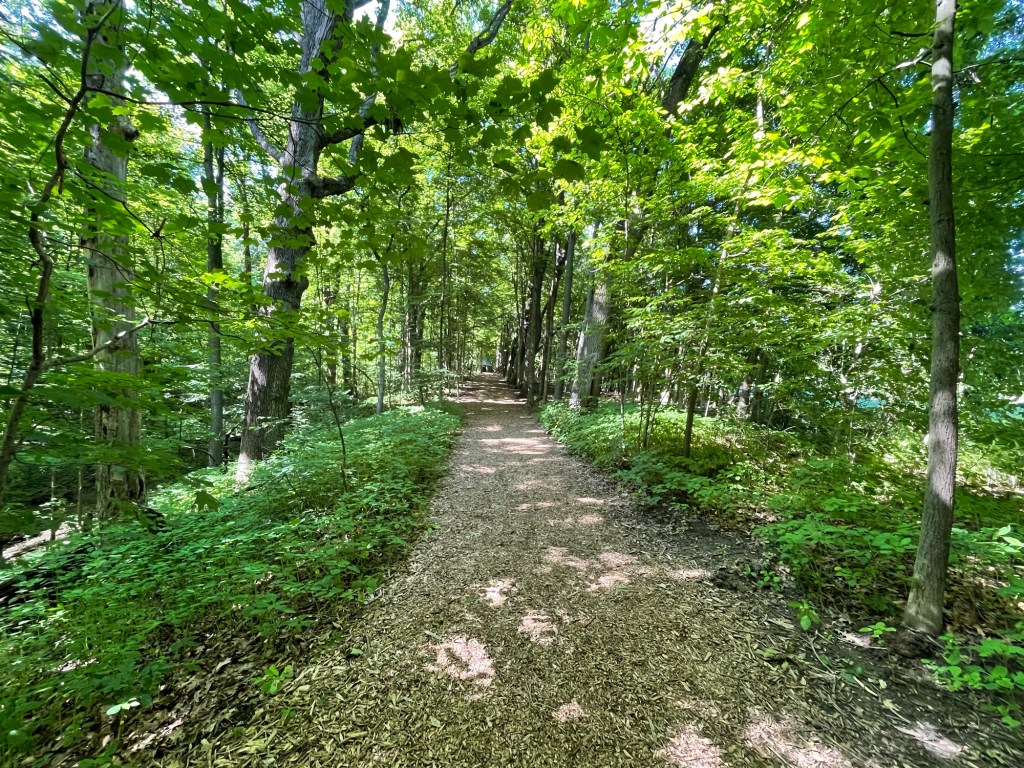
Continuing southward, we reached the Bailly Homestead and Chellberg Farm. Grammi and I walked along a shaded path to explore these two historic sites. Located close to each other within the Indiana Dunes National Park, they offer a glimpse into the region’s early settlement.
The Bailly Homestead, designated a National Historic Landmark, was established in 1822 by Joseph Bailly, a French-Canadian fur trader. It stands as one of the oldest homesteads in northern Indiana. The site includes several structures, including the main house, which is currently braced while awaiting repairs, a fur trading post, and a family cemetery. Bailly’s homestead was one of the first European settlements in the area and served as a vital fur trading post.

Chellberg Farm, established in the 1870s by Swedish immigrants Anders and Johanna Chellberg, showcases the agricultural heritage of the region. The farm reflects the life and work of immigrant families who settled in the area during the late 19th and early 20th centuries.

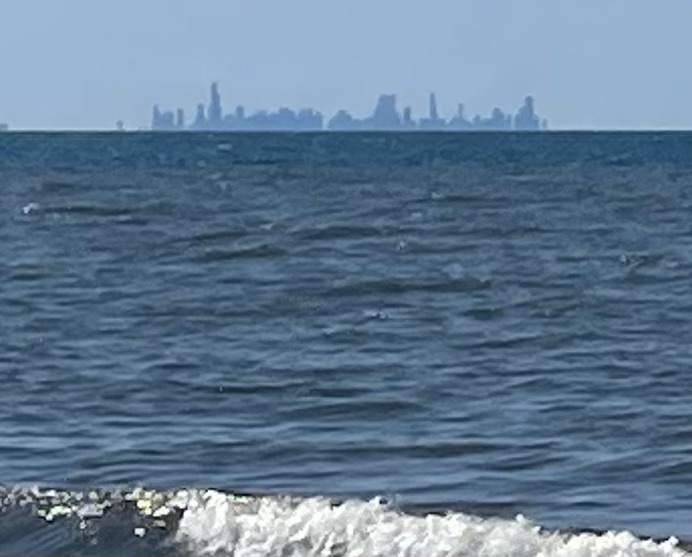
Continuing our journey southward, we arrived at Portage Lakefront and Riverwalk. Once home to a steel mill for many years, it is now part of the national park, offering a space for outdoor recreation. Driving past some industrial buildings to get to the place served as a reminder of the region’s past. From here, one can behold the stunning views of the lake and the Chicago skyline across the water. The park also features picturesque sand dunes, providing opportunities for nature walks. We ventured out on the fishing pier for the best perspective to admire the dunes and the lighthouse.
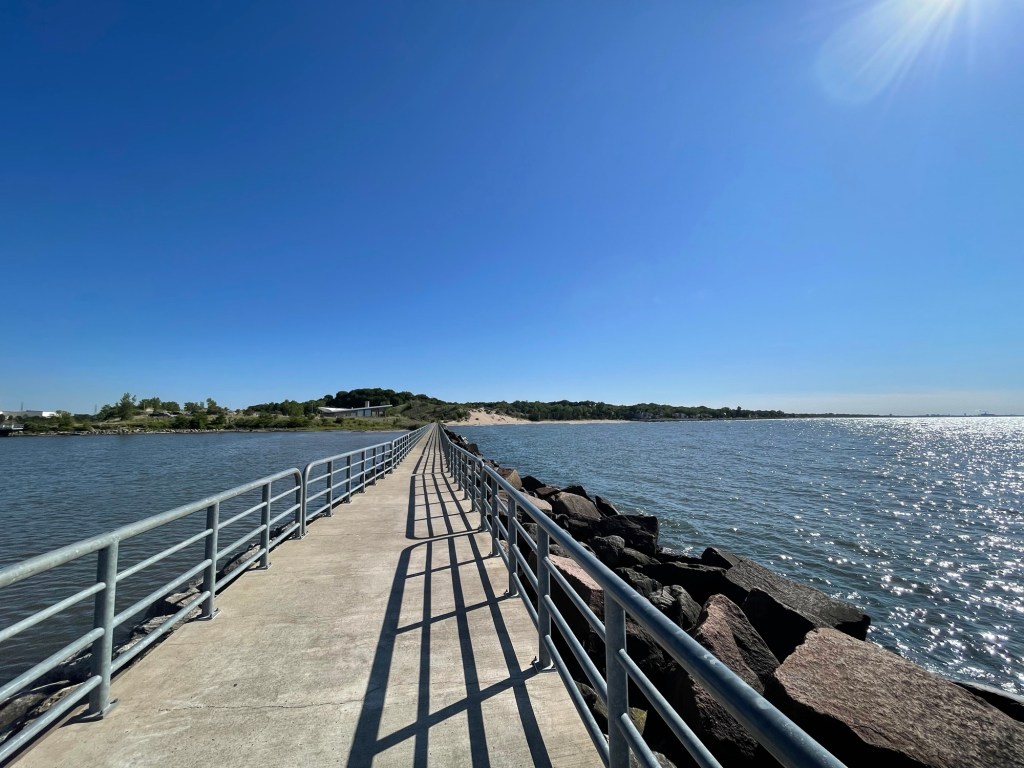
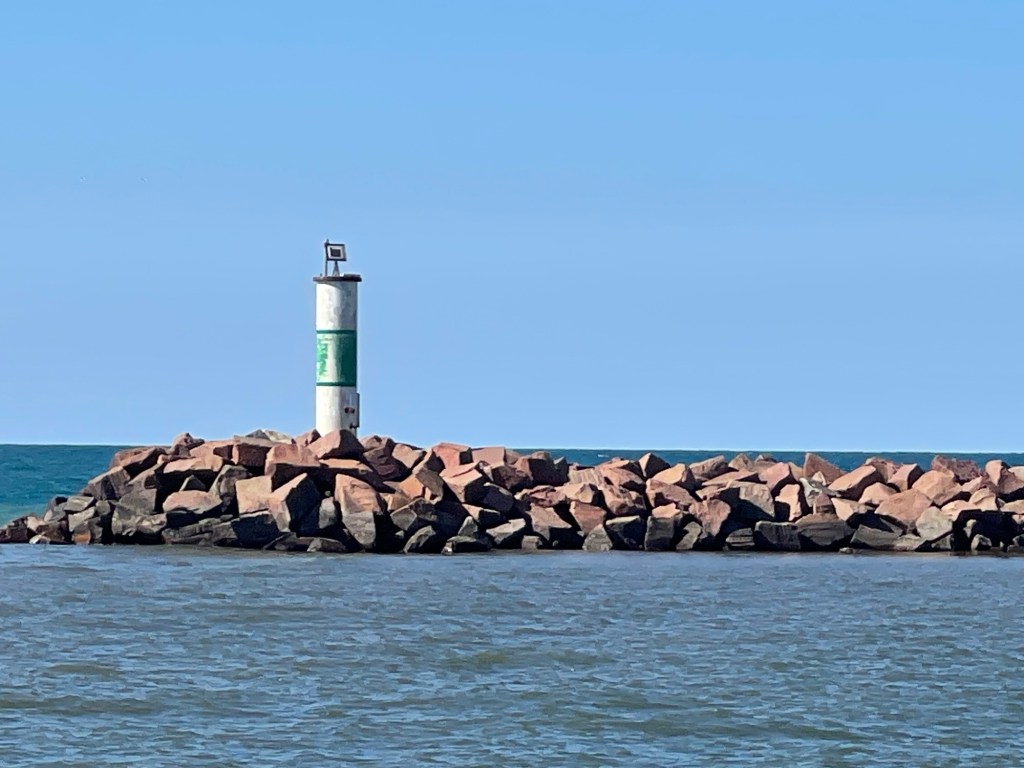
Our final stop for the day within Indiana Dunes National Park was West Beach. With a modern bathhouse, sandy shoreline, and lifeguards, it stands as a popular beach spot. It is also the location of Diana of the Dunes Dare, featuring a challenging climb of over 250 stairs and a mile-long boardwalk traversing some of the park’s tallest dunes. Did we accept the challenge, you wonder? Perhaps if it had been our first stop of the day, but we were feeling weary by this time, tempering our spirits. Nonetheless, we savored one last moment by wading into the waters of Lake Michigan one more time before heading back to our campground.
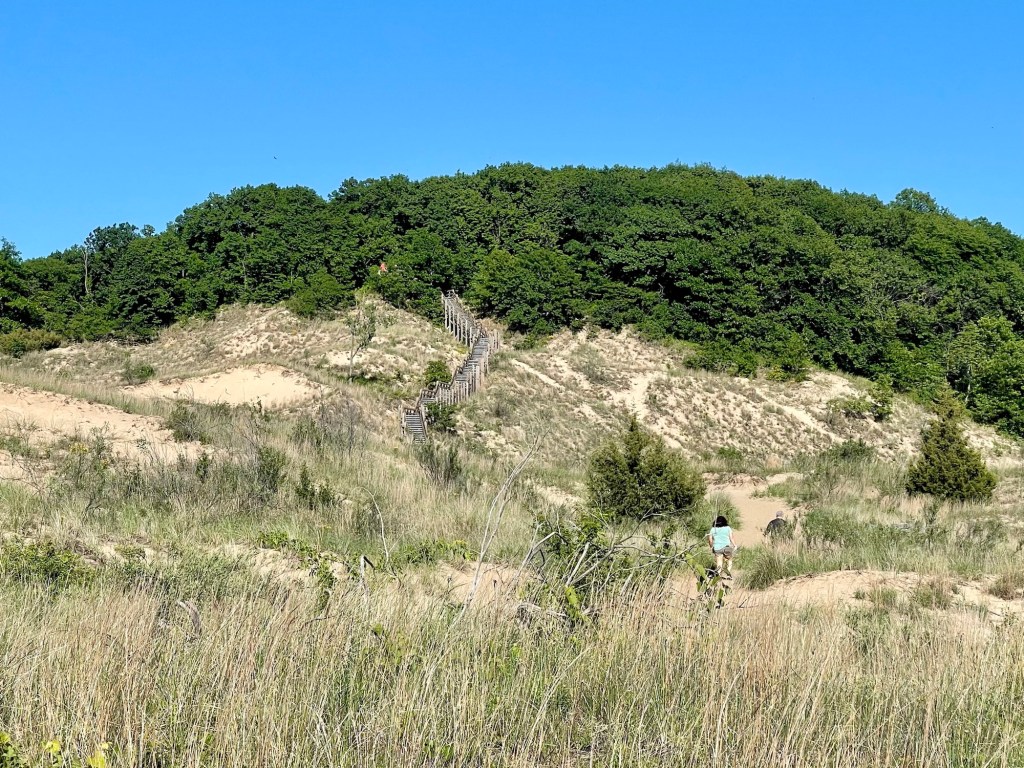

Was Indiana Dunes worth the visit? For us, undoubtedly so, driven by our desire to explore all the national parks. However, it is understandable why there’s ongoing debate regarding its designation as a “National Park.” I’ve certainly seen other parks more closely align with the traditional notion of a national park. Parks like Craters of the Moon National Monument and Preserve and Grand Staircase-Escalante National Monument come to mind. Though we could return another day before leaving the area, it seems we’ve seen enough from our current visit.
Shipshewana
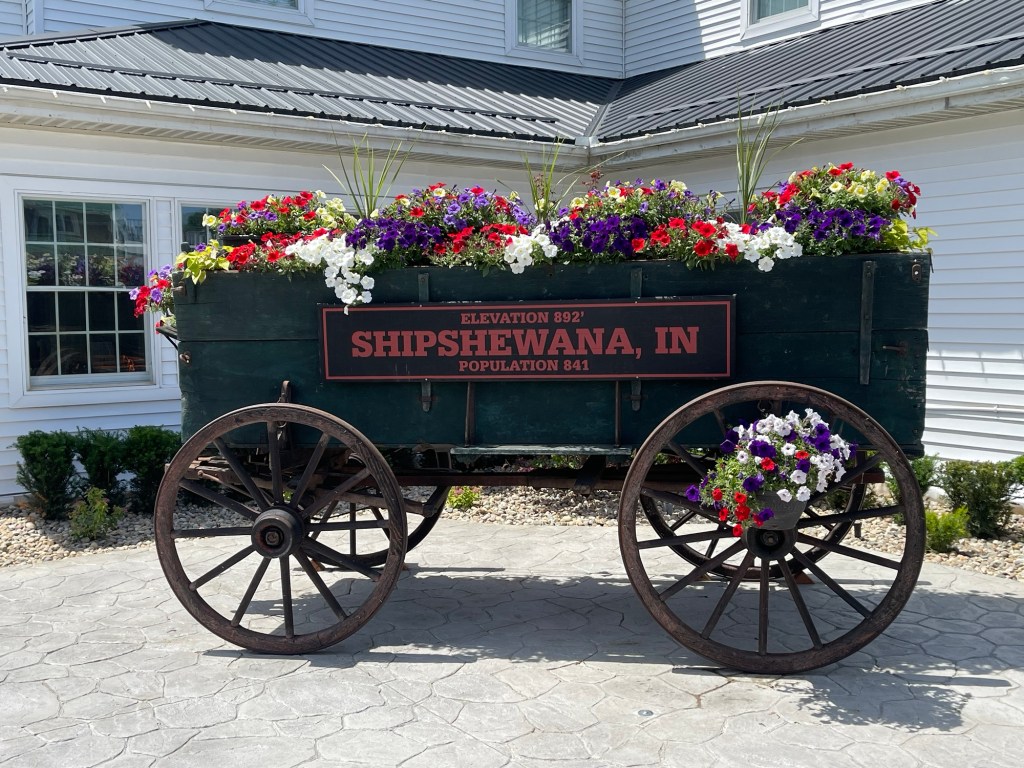
The next day, we embarked on a journey to Shipshewana, Indiana, arriving at a quaint town nestled in the heart of Amish country. We found ourselves immersed in a world where horse-drawn buggies still reign supreme, where the past meets the present. The charm of the Amish culture permeates every corner of the town. As we strolled down the streets, we were greeted by the rhythmic clip-clop of horses’ hooves as Amish families made their way through town in their iconic buggies.
We explored some of the shops that line the streets of Shipshewana. From quaint boutiques to bustling markets, we felt the shops lacked the handmade artisan items one might expect from the Amish. I am not saying there were no Amish handmade crafts in the shops, but one had to look past all the mass-produced goods to find them.
For lunch, we indulged ourselves with an Amish smorgasbord. The buffet-style dining featured hearty dishes served with Amish culinary traditions. From savory meats to mouthwatering pies, every bite was a testament to the quality of Amish cuisine.
Venturing beyond the town limits, we embarked on a scenic drive through the countryside, where sprawling farmlands and rolling hills stretched as far as the eye could see. It was here that we saw first-hand the essence of Amish life. We encountered countless families traveling the backcountry roads in their horse-drawn buggies. We passed fields being tilled with plows pulled by a team of horses and gardens tended by women and barefoot children.
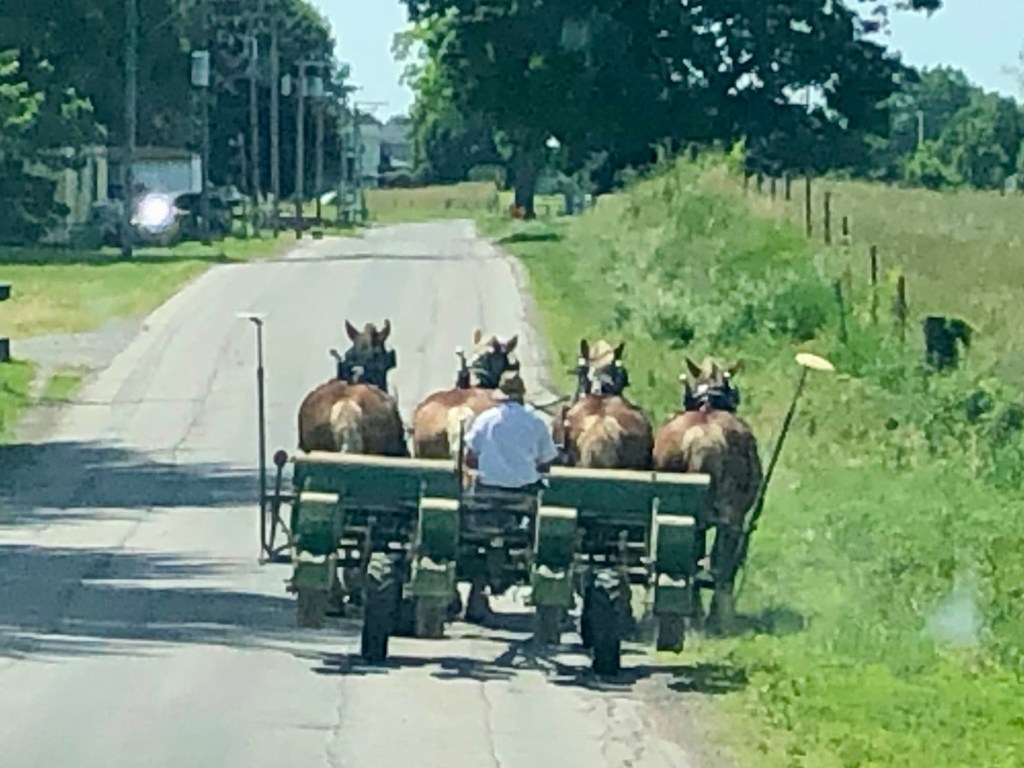
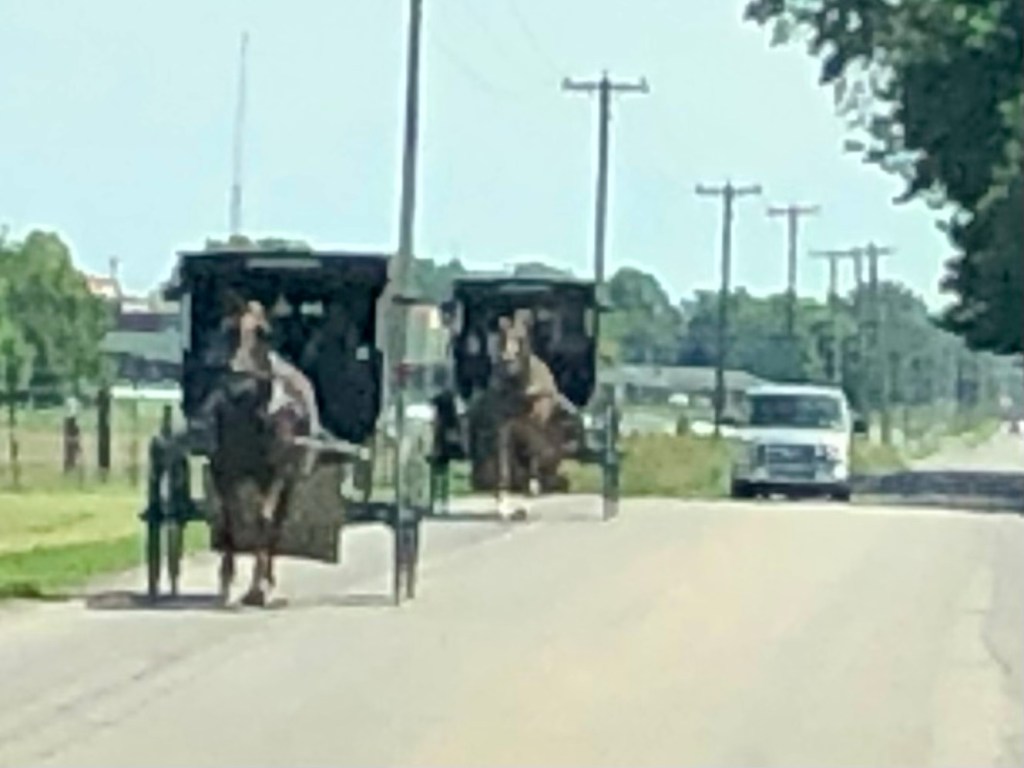
Our journey through the countryside brought a serendipitous encounter with a traditional Amish wedding celebration. As we approached a charming farmstead, we were slowed by a horse and buggy traffic jam. Numerous buggies parked in neat rows was quite the sight. The men, all dressed alike, stood in groups, no doubt discussing the progress of their crops, while the women brought forth the food for the celebration.
As we bid farewell to Shipshewana, we took with us not only cherished memories but also a newfound admiration for the timeless allure of Amish country.
RV Hall of Fame and Museum
Our next adventure took us to the heart of RV culture, where past and present recreational vehicles are on display at the RV Hall of Fame and Museum in Elkhart, Indiana. This is a must-see for any RV travel enthusiast. It offers a glimpse into the evolution of RVs and the lifestyle they embody. Our visit to the RV Hall of Fame and Museum was both educational and inspiring.
As we approached the RV Hall of Fame, the first thing that struck us was the grandeur of the building itself. Sitting just off Interstate 80, the modern structure creates a first impression worthy of the RV industry’s history. Stepping inside, we were greeted by a welcoming atmosphere and spacious lobby.
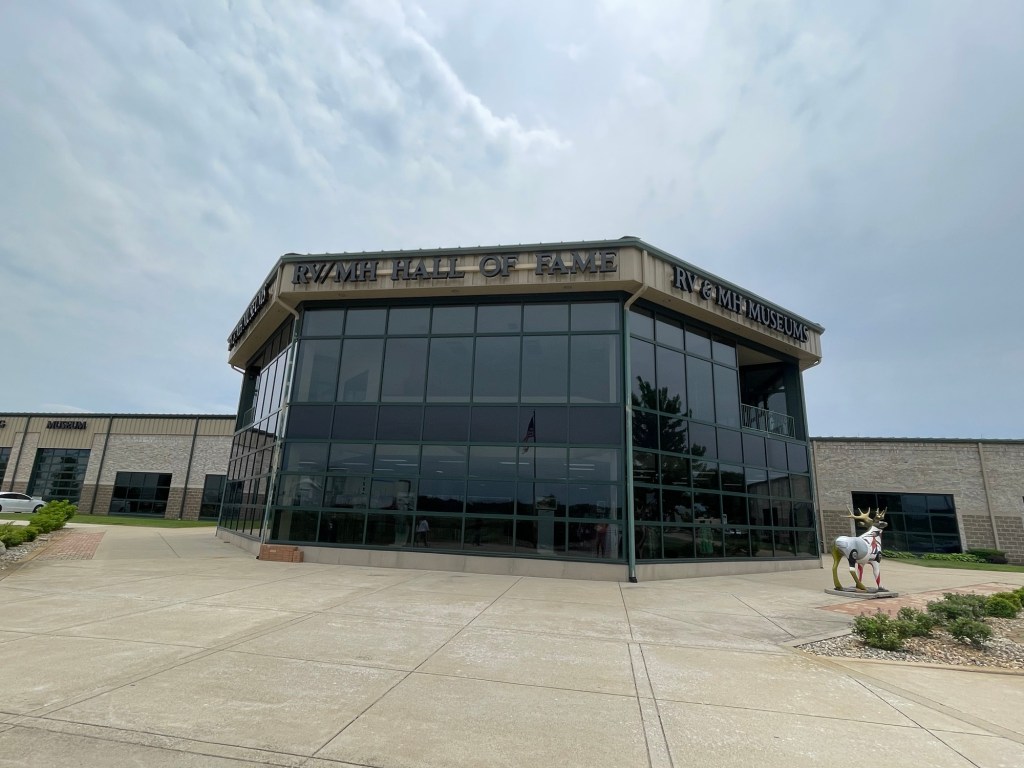
A short film was the first thing to see. It gave a glimpse of what we were about to experience. The museum’s exhibits were arranged in chronological order through the history of recreational vehicles. The museum houses an impressive collection of vintage RVs. One of the highlights was the 1913 Earl Travel Trailer on a Model “T” Ford, considered the oldest surviving specimen in the world. Another is the 1939 Lindbergh Travel Trailer. A personal favorite was “The Bird,” a Bluebird RV bus driven across the country on Route 66 by YouTubers Marc and Trish from Keep Your Daydream. As we left Elkhart, we felt a renewed appreciation for the journey and the countless roads that lie ahead.


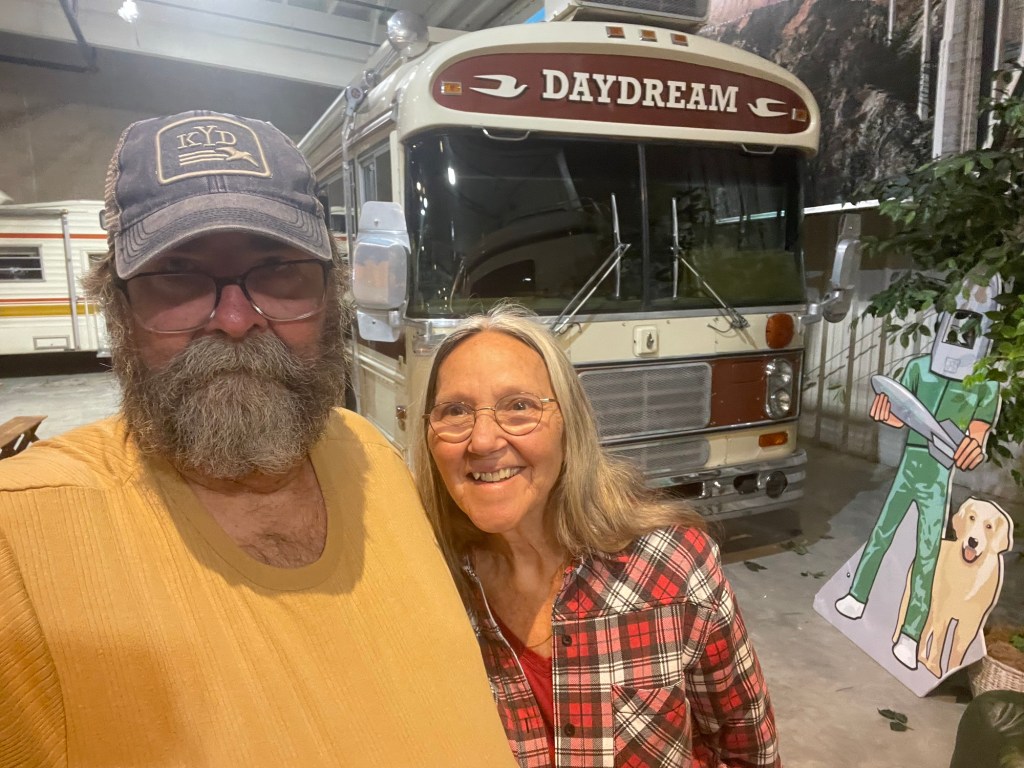
Reflecting on our time in Northwest Indiana, we cherish not only the memories of the places we’ve seen and the people we’ve met but also the deeper appreciation for the unexpected adventures that make travel so rewarding. Whether it’s a cracked valve stem or a chance meeting with new friends, these moments remind us that the journey is as important as the destination. Northwest Indiana, with its blend of natural beauty, historical richness, and welcoming communities, has proven to be a journey well worth taking.
Until next time—Happy Days and Safe Travels
 The Adventures of Grammi and Grampa